Social media is aghast at the Union Public Service Commission for asking questions that, allegedly, even they themselves do not know the answers to. 1
The Commission — which has a long history of being unpredictable 2 — asked questions that would put even the best-prepared candidates on their toes.
The unfamiliarity of the paper was out of the ordinary. The outrage was natural.
But what was perhaps stranger than the paper itself was the emergence of three trends that, at least to me, felt unprecedented:
- First reaction videos immediately after the GS Prelims paper
- Instagram faculty demanding the resignation of the UPSC Chairperson
- Calls for students to protest and demand a re-exam
This is what flooded social media.
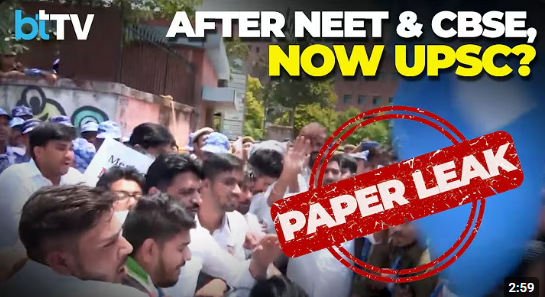
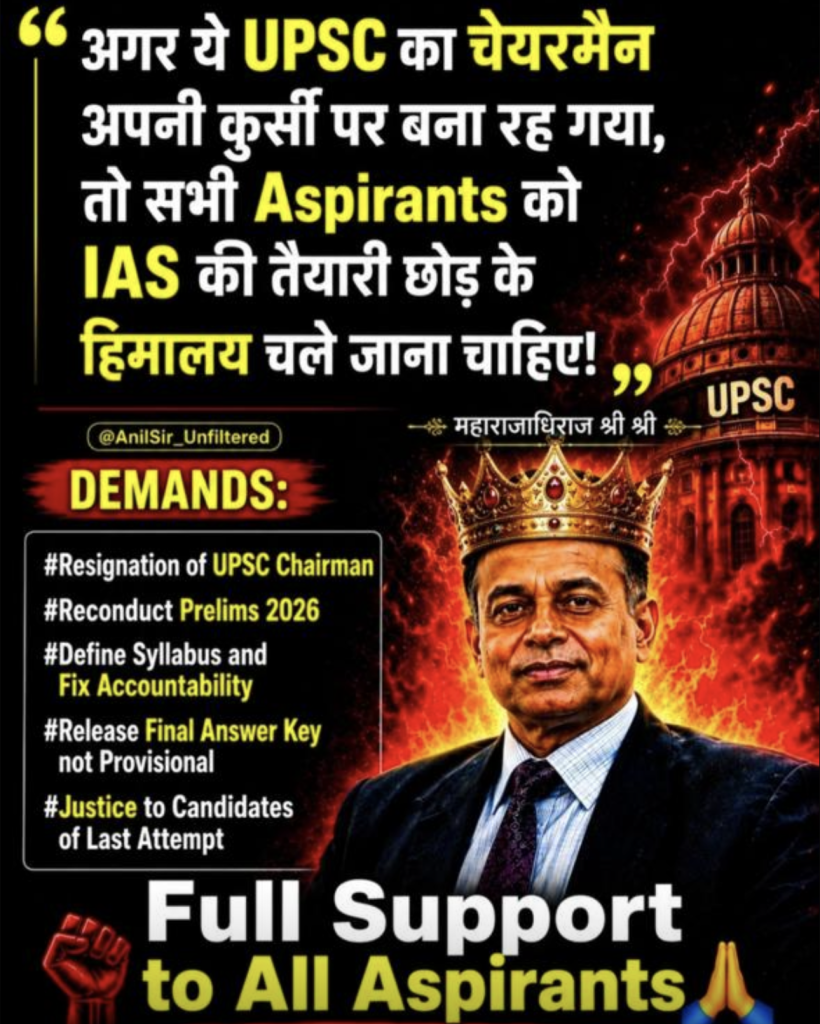
The scale of it all was so massive that the only thing missing was a formal fatwa against the Hon’ble Chairperson.
And then something worse followed.
This time, it wasn’t random outrage from aspirants. It came from some of the very people many of us love, admire, and even adulate.
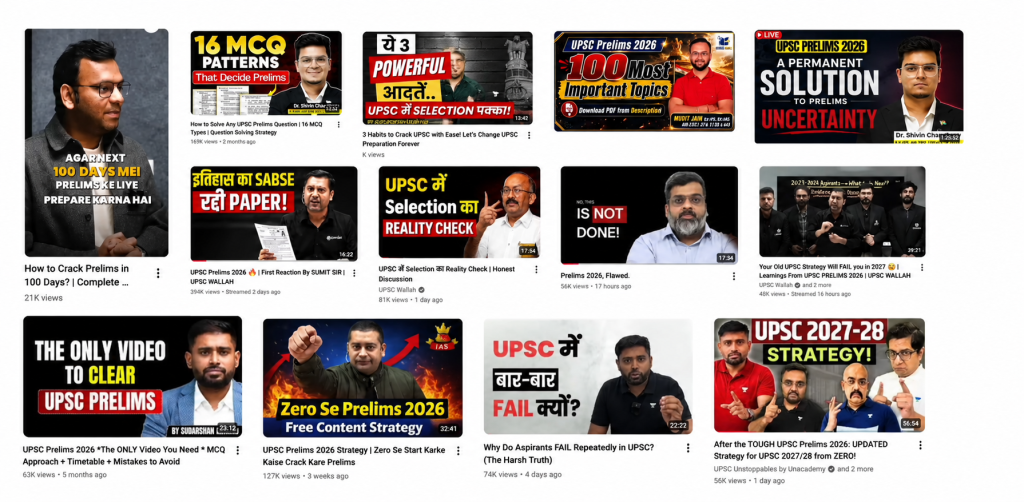
Source / Image Credits: BookStawa
The Sibling Test of Good Advice
I often use what I call the Sibling Test of Good Advice to judge whether any advice, input, or proposition being offered is genuinely sincere.
I also use it to test myself — whether the advice I am giving is sibling advice or merely consumer advice.
Here is the difference.
You may dislike the service at a restaurant and casually leave it a one-star review. But when your own family visits Delhi, you still take them to that same restaurant because, deep down, you know it is reliable.
Advice works the same way.
The question is simple:
The things people say on YouTube and social media — would they say the same thing to their own sibling?
Because I have often seen toppers and teachers publicly decry an institute or institution, only to quietly recommend the same thing to their own family.3
And that tells you something important.
There is often a gap between performative advice and personal advice.
One is designed for an audience.
The other is reserved for people one genuinely cares about.
So What Should You Do?
The next time an educator tells you that the paper was challenging4 (the agreeable part) and then asks you to spend hours consuming reaction content, blame the examiner, demand resignations, or join outrage campaigns, pause and ask one simple question:
Would this person give the exact same advice to their own sibling or family member?
Because if the answer is no, then perhaps the advice was never meant to help you in the first place.
- They have dropped a question from the Prelims 2026 evaluation because they could not answer a question they themselves framed. Click here.[↩]
- the “U” in UPSC is often jokingly expanded as “Unpredictable” Public Service Commission[↩]
- A popular teacher whom I personally studied under made videos telling people not to come to Delhi for preparation — but sent his own nephew to ForumIAS for Mains preparation in offline mode.[↩]
- In any competitive examination, the recruiter has all rights to set the paper they want, since there is no passing marks, but only choosing top performers, it is only fair – because the cut off falls to adjust for the randomness[↩]
Leave a Reply